What You Should Know About Standing Water in Your Home
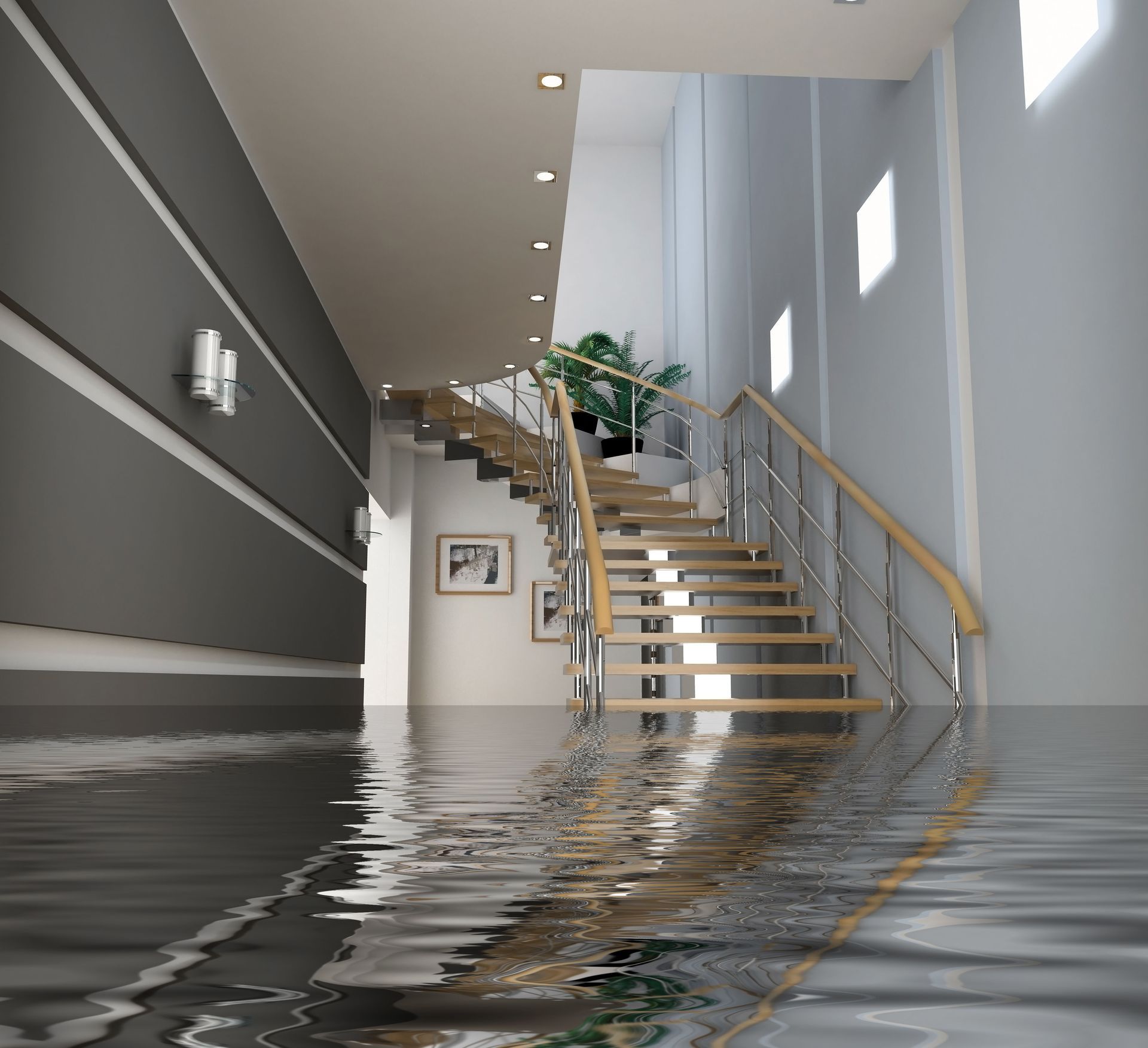
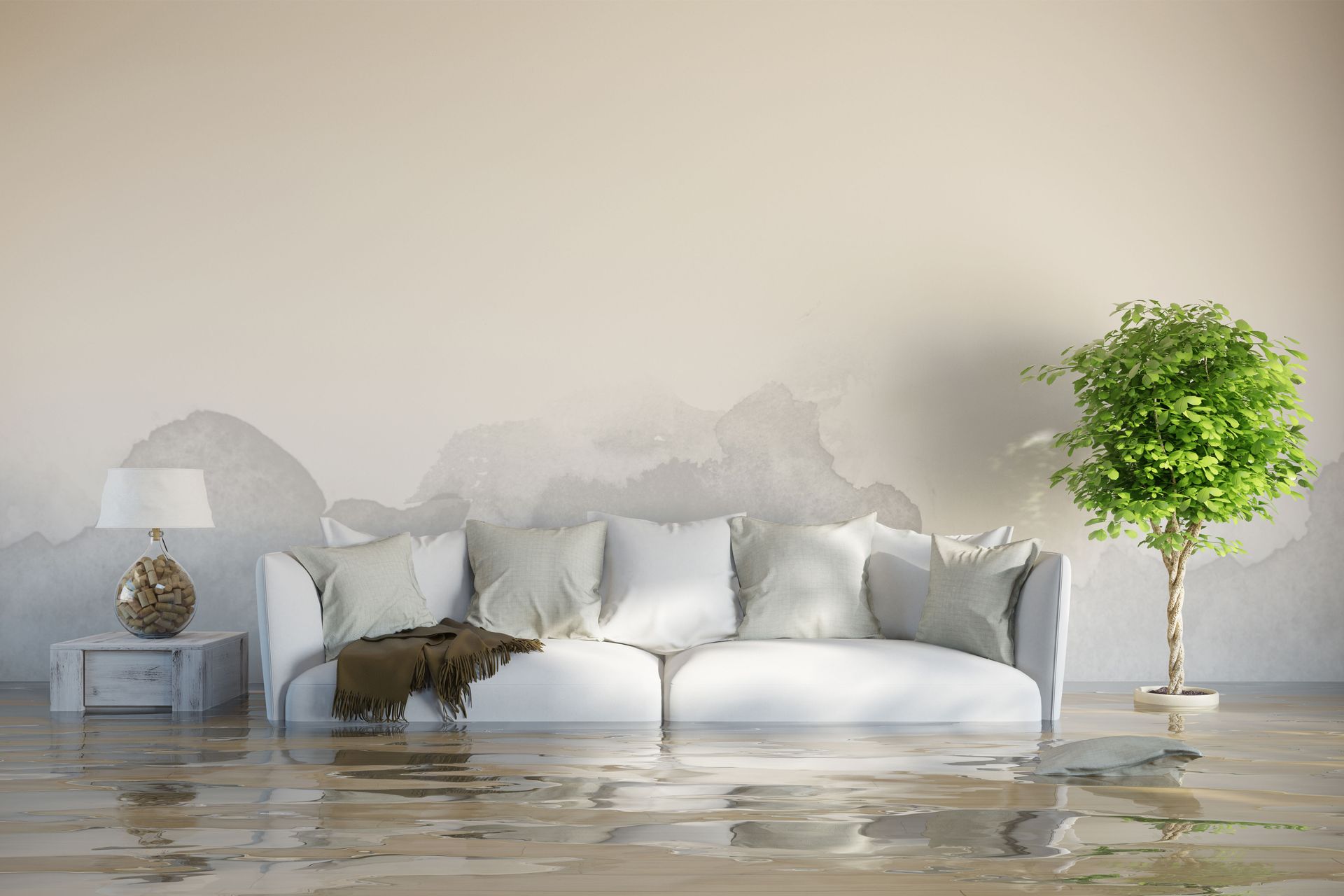
Standing water can pose numerous challenges and risks, both seen and unseen. According to This Old House, water damage has caused over $1 trillion in damage in the United States alone. Professional water restoration services have extensive knowledge and expertise in handling these issues. This article aims to provide valuable insights from the perspective of water restoration experts on what you need to understand about standing water, its implications, and why prompt action is crucial.
The Dangers of Standing Water
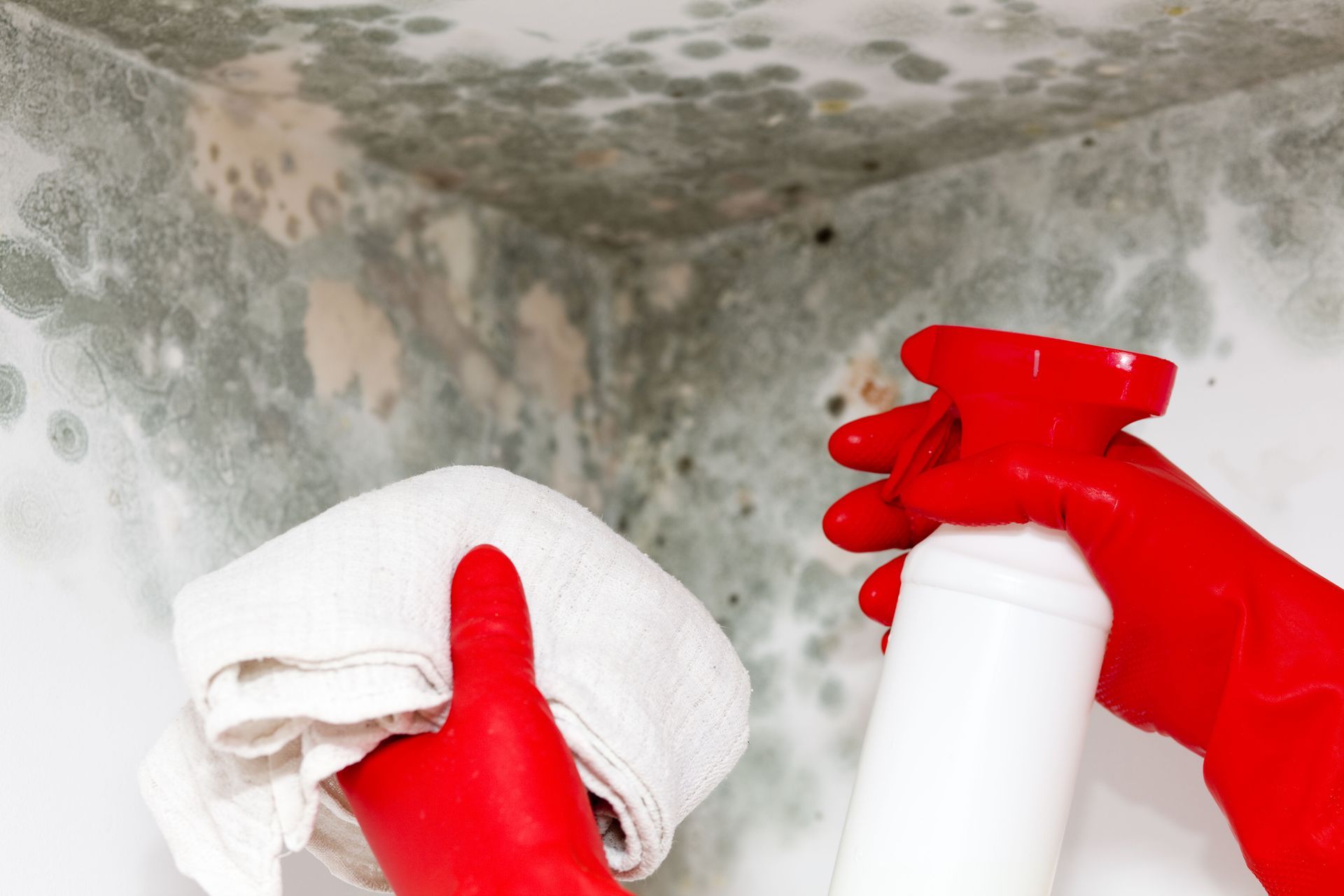
Standing water is a breeding ground for various waterborne pathogens that can cause severe health issues. It can lead to the spread of infections as bacteria and viruses thrive in stagnant conditions. Pest infestations, such as mosquitoes, are attracted to these environments and can carry diseases like West Nile Virus, Zika, and others. The presence of mold and mildew in damp areas can further exacerbate health problems, leading to allergic reactions and respiratory issues.
The presence of standing water can lead to significant structural damage in homes or buildings. Over time, water can lead to wood rot and deterioration, compromising the integrity of wooden structures. Foundations can also be weakened, resulting in costly repairs and potential decreases in property value. Walls and insulation soaked with water can lose their effectiveness, putting the entire building at risk. Electrical systems are particularly vulnerable, potentially leading to fire hazards or electrocution risks if left unchecked.
Standing water extends its impact beyond the immediate vicinity, affecting local ecosystems and wildlife. Stagnant water can lead to soil erosion, altering landscapes and negatively impacting plant growth. It may also cause contamination of local water sources, spreading pollutants and debris that harm aquatic life. The legal consequences of environmental damage due to negligence can be severe, encompassing fines and mandatory rectification measures. Addressing standing water promptly ensures compliance with environmental regulations and protects local wildlife.
Identifying Standing Water in Your Home
In homes, certain areas are more prone to water accumulation due to their design and use. Basements and crawl spaces often attract moisture, especially in areas with high groundwater levels. Bathrooms and kitchens, due to their plumbing, present recurring risks for leaks and water build-up. Roofs and attics may also collect water due to poor drainage or damaged roofing materials. Finally, garages and exterior spaces exposed to the elements can also suffer water intrusion.
Detecting signs of hidden water damage early can significantly reduce repair costs and prevent further harm. One early indicator of hidden water damage is the presence of musty odors, often a sign of mold or mildew growth behind walls or in hidden spaces. Stains or discoloration on walls or ceilings can also be clear indicators of water seepage. Warping of floors or materials, along with unexplained increases in water bills, often point to leaks or hidden standing water. Paint and wallpaper peeling are additional red flags signaling potential water damage.
Advanced tools and techniques facilitate the detection of standing water and hidden moisture within properties. Moisture meters and sensors provide precise readings of moisture levels within materials, assisting in pinpointing problem areas. Infrared cameras and imaging can help visualize temperature differences caused by wet areas, providing a non-intrusive technique to detect water. Humidity gauges help monitor air moisture levels, indicating the potential for standing water. Professional assessments often employ sophisticated diagnostic tools to accurately locate and address water issues.
Preventing Standing Water
Regular structural maintenance and prompt repairs are fundamental in preventing standing water issues. Inspecting and sealing foundations can prevent water intrusion from groundwater or surface runoff. Regularly maintaining roofing and gutters ensures effective water drainage away from the property. Window and door maintenance can prevent leaks during heavy rainstorms. Frequent plumbing checks resolve potential issues before they escalate into costly water damage scenarios.
Landscaping plays a pivotal role in water management and preventing standing water. Adequate soil grading directs water away from buildings, protecting foundations from water intrusion. Installing drainage systems, such as French drains or swales, diverts excess water effectively. Selecting water-appropriate plants and strategic placement enhances soil retention and water absorption. Natural barriers like raised beds or retaining walls act as effective water control measures.
Regulating the interior environment helps in deterring the formation of standing water. Controlling humidity levels and ventilation averts condensation buildup, a common cause of water issues indoors. Dehumidifiers are effective tools for reducing moisture, particularly in basements or areas lacking ventilation. Addressing potential leaks from appliances through regular inspection prevents unexpected water accumulation. Implementing basement waterproofing solutions and sump pump systems provides additional defense against flooding.
Water Restoration Process
The water restoration process begins with a thorough evaluation and planning phase. Professionals conduct a comprehensive site evaluation to identify the extent of damage. A tailored restoration plan is developed to address both immediate needs and long-term solutions. This phase involves identifying potential hazards and risks to prioritize in the restoration process. Successful communication with clients about expectations, timelines, and processes is critical early in the engagement, ensuring alignment and understanding.
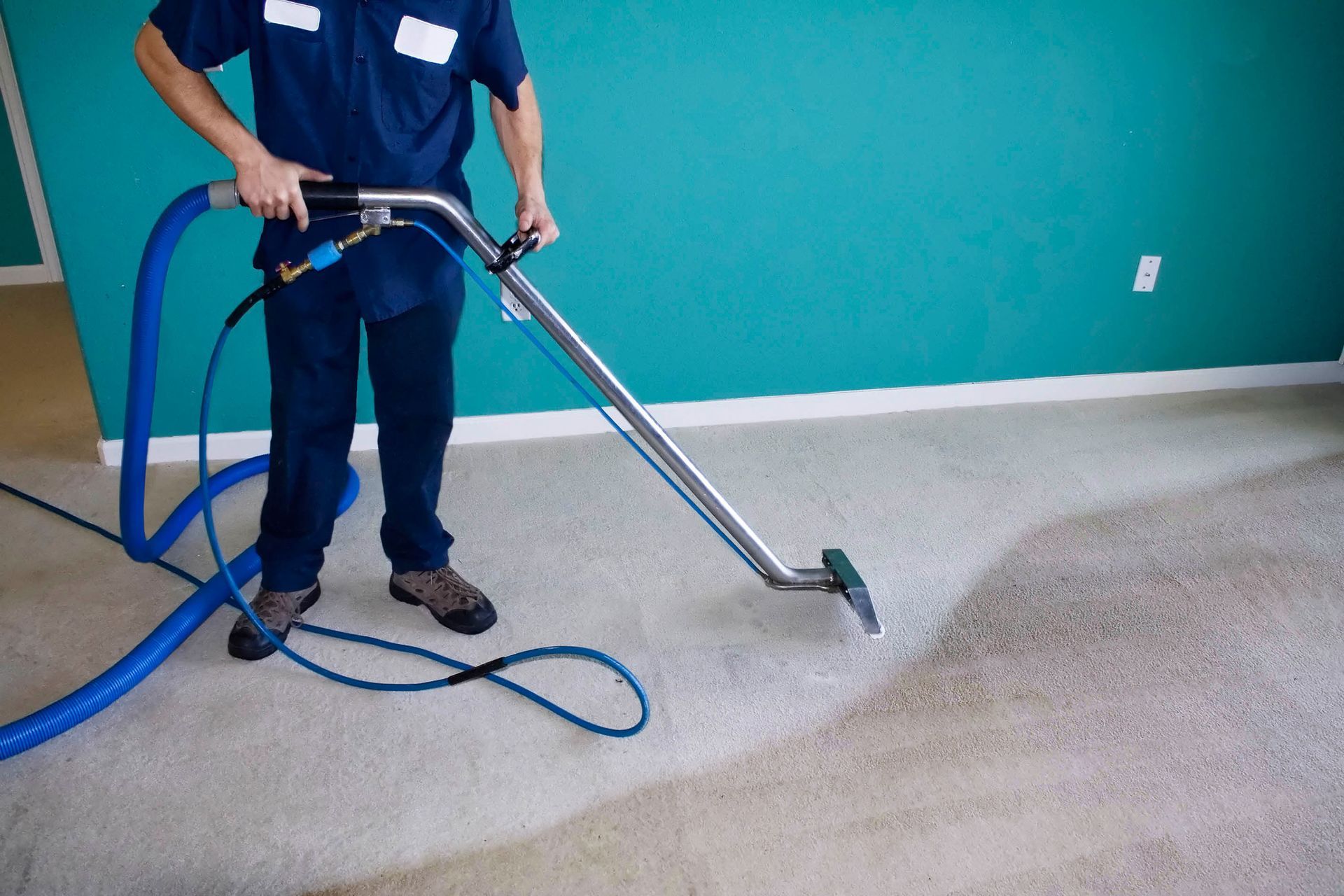
Effective water removal and extraction form the backbone of water restoration efforts. Large pumps and vacuums are typically employed to remove standing water efficiently. Subsequent drying procedures with industrial fans and dehumidifiers ensure full moisture elimination. Specialized equipment is pivotal, especially during large-scale extractions, to optimize operations and outcomes. Safe disposal of contaminated water is necessary to prevent secondary pollution or damage.
Cleaning and sanitization are critical in restoring affected areas to a safe and healthy state. Disinfection with appropriate chemicals eradicates bacteria and pathogens, minimizing health risks. Addressing mold and mildew thoroughly is essential, given their rapid growth in moist environments. Removing debris and toxic materials ensures air quality is preserved and strengthens subsequent restoration efforts. Professional air quality testing and constant monitoring provide additional peace of mind during recovery.
The Role of Insurance in Water Damage
Understanding insurance coverage related to water damage is vital for homeowners navigating restoration costs. Most policies cover specific types of water damage, but exceptions and limitations exist. Being familiar with policy details and endorsements helps homeowners know what events are covered. Reviewing coverage for endorsements and optional riders gives additional clarity and assurance. Knowing the difference between covered and uncovered incidents navigates claims toward success.
The process of filing an insurance claim for water damage should be undertaken systematically for optimal results. A step-by-step approach includes documenting damage through photographs and reports. Gathering necessary documentation and evidence is crucial for claim substantiation. Collaborating with insurance adjusters and appraisers provides mutual understanding and clear pathways to settlements. Overcoming common delays requires patience and the application of the provided tips to facilitate efficient claim processing.
Negotiations with insurance providers must be approached with understanding and a strategy for favorable resolutions. Policyholders exercise rights through knowing their entitlements and limitations in coverage. Critical negotiation tips include effective communication and knowledge of comparative policies. Appealing denied claims or challenging unsatisfactory offers is possible when necessary. Recruiting professional advocates, such as public adjusters, can offer expertise and a high success rate in complex cases.
Standing water is more than just an inconvenience; it is a significant threat to health, safety, and property. Understanding the dangers, detection methods, prevention tips, and the restoration process is essential for every homeowner. Engaging with professional water restoration services not only ensures a comprehensive resolution to standing water issues but also provides peace of mind and protection for the future. Taking proactive steps and being informed can make all the difference in managing and mitigating the impacts of standing water. For a professional
water restoration service you can count on, contact Advanced Restoration LLC today.
Share On: