Questions to Ask Your Water Restoration Company
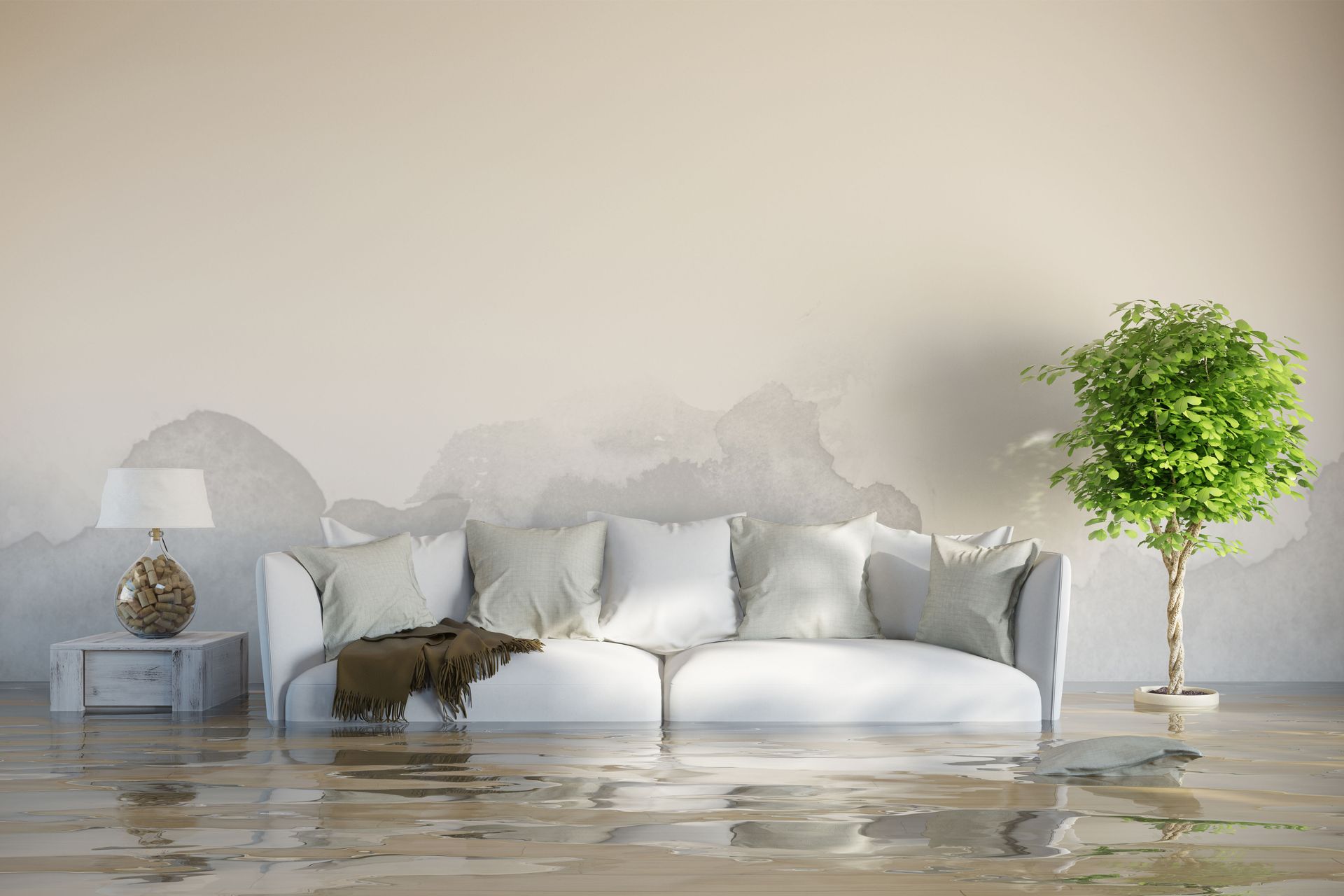
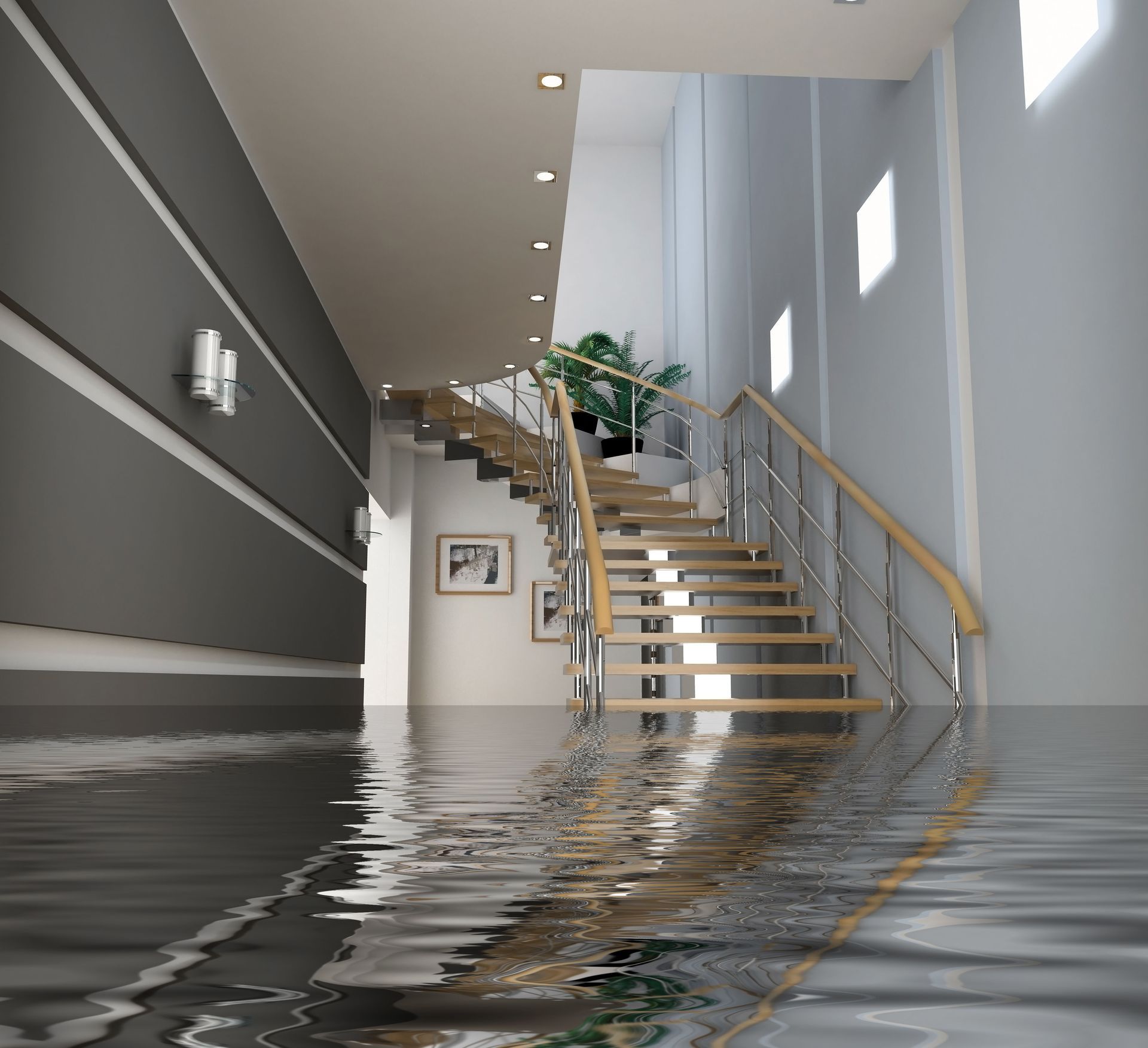
When facing water damage in your home or business, choosing the right water restoration company is crucial to ensure a smooth and efficient recovery process. Whether the damage results from a burst pipe, severe weather, malfunctioning appliances, or sewage backups, the restoration partner you choose directly impacts how quickly and thoroughly your property is restored. Water damage can escalate rapidly, leading to structural deterioration, mold growth, and costly repairs if not managed correctly. To make an informed decision, it’s important to ask the right questions before committing to any service provider. This article outlines essential queries that can help you evaluate a potential water restoration partner, ensuring your home or commercial space receives the best possible care.
Understanding the Company's Experience and Expertise
Evaluating a restoration company’s background and level of expertise is one of the first steps in determining whether they are qualified to handle your situation. Water damage restoration is a highly specialized field requiring technical knowledge, specialized equipment, and hands-on experience. The length of time a company has been in operation can provide reassurance about its stability and competence. A business that has been around for many years is more likely to have refined processes, reliable staff, and familiarity with a wide range of damage scenarios.
It’s wise to request examples of similar projects they have handled. Many reputable companies maintain a portfolio of past work, including case studies or before-and-after photos. Reviewing these materials helps you determine whether their experience aligns with your specific issue—whether it’s large-scale basement flooding, storm-related roof leaks, or hidden moisture in building materials.
Additionally, ask about the training and certifications their technicians hold. Restoration professionals should possess skills in water extraction, moisture detection, structural drying, mold remediation, and sanitation. Certifications through
organizations such as the Institute of Inspection, Cleaning, and Restoration Certification (IICRC) are strong indicators of a company’s commitment to maintaining high industry standards. Verifying that the company is licensed and insured is equally important, as this protects you from liability should any accidents occur during the restoration process.
Assessing the Company's Availability and Response Time
Water damage does not operate on a convenient schedule; it often strikes unexpectedly and requires immediate action. Because moisture spreads quickly and can compromise building materials within hours, confirming whether the company offers 24/7 emergency response services is essential. A company that is consistently available demonstrates preparedness and an understanding of the urgency involved in water-related incidents.
Ask about their typical response time to emergencies. A fast response—not just a quick phone answer—can significantly reduce the extent of damage and the cost of repairs. Ideally, technicians should arrive on-site within a few hours of your call.
Understanding the company’s overall project timeline is also important. While initial mitigation may begin quickly, full restoration can take days or weeks, depending on the severity of the damage. Ask how they handle scheduling, whether they provide estimated completion timelines, and what happens if unexpected delays arise. Companies with dedicated emergency teams and strong communication protocols can help keep the process transparent and stress-free.
Evaluating the Company's Assessment and Quotation Process
A thorough initial assessment is the foundation of an effective restoration plan. When evaluating a company, ask them to explain their inspection process. Reputable companies use advanced tools like moisture meters, infrared cameras, and hygrometers to detect hidden water pockets beneath floors, behind walls, or within insulation. This detailed assessment informs the scope of work and prevents future issues from going unnoticed.
Transparency in cost estimation is another key factor. Request a written estimate that clearly outlines services, labor costs, and potential additional fees. Water restoration projects sometimes uncover hidden damage—such as mold behind drywall or compromised electrical systems—so ask how the company handles changes in scope. Having this conversation up front prevents financial surprises later.
Inquire about documentation practices as well. Detailed reports, moisture readings, and photographs are essential, especially if you plan to file an insurance claim. According to the U.S. Environmental Protection Agency, items that remain wet for 24 to 48 hours are at high risk of mold growth, making accurate documentation essential for capturing the severity of damage early.
Reviewing Their Restoration Methods and Techniques
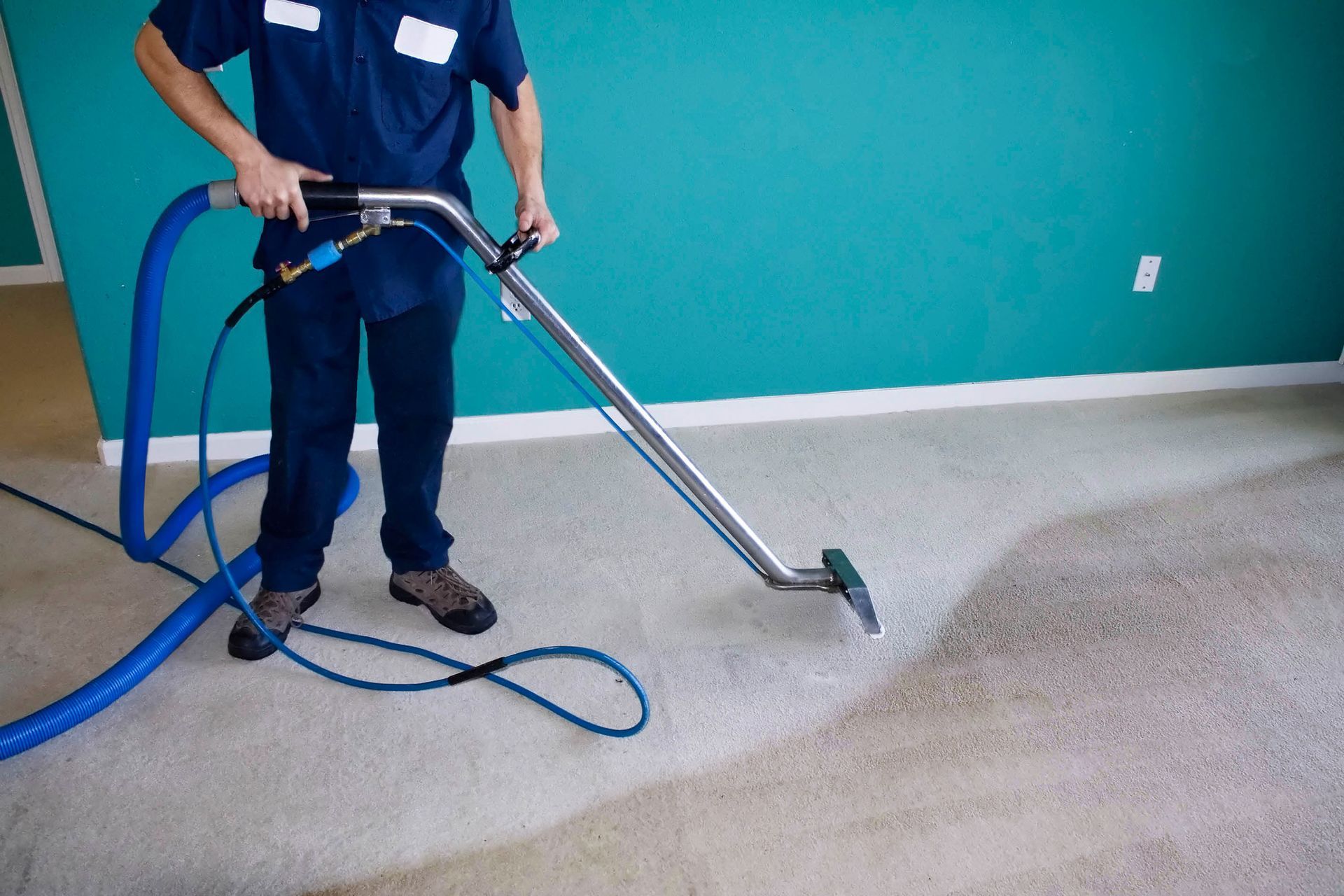
Restoration methods vary widely among companies, and understanding their approach can provide insight into the quality of service you can expect. Ask about the specific techniques they use for water extraction. Do they rely on industrial-grade vacuums, submersible pumps, or truck-mounted systems? Ensuring the company uses professional equipment is essential for efficient water removal.
Drying methods are equally important. Companies should employ commercial-grade air movers, dehumidifiers, and drying chambers when necessary. The goal is not just to remove standing water but to eliminate moisture trapped in building materials, which can lead to mold and structural damage.
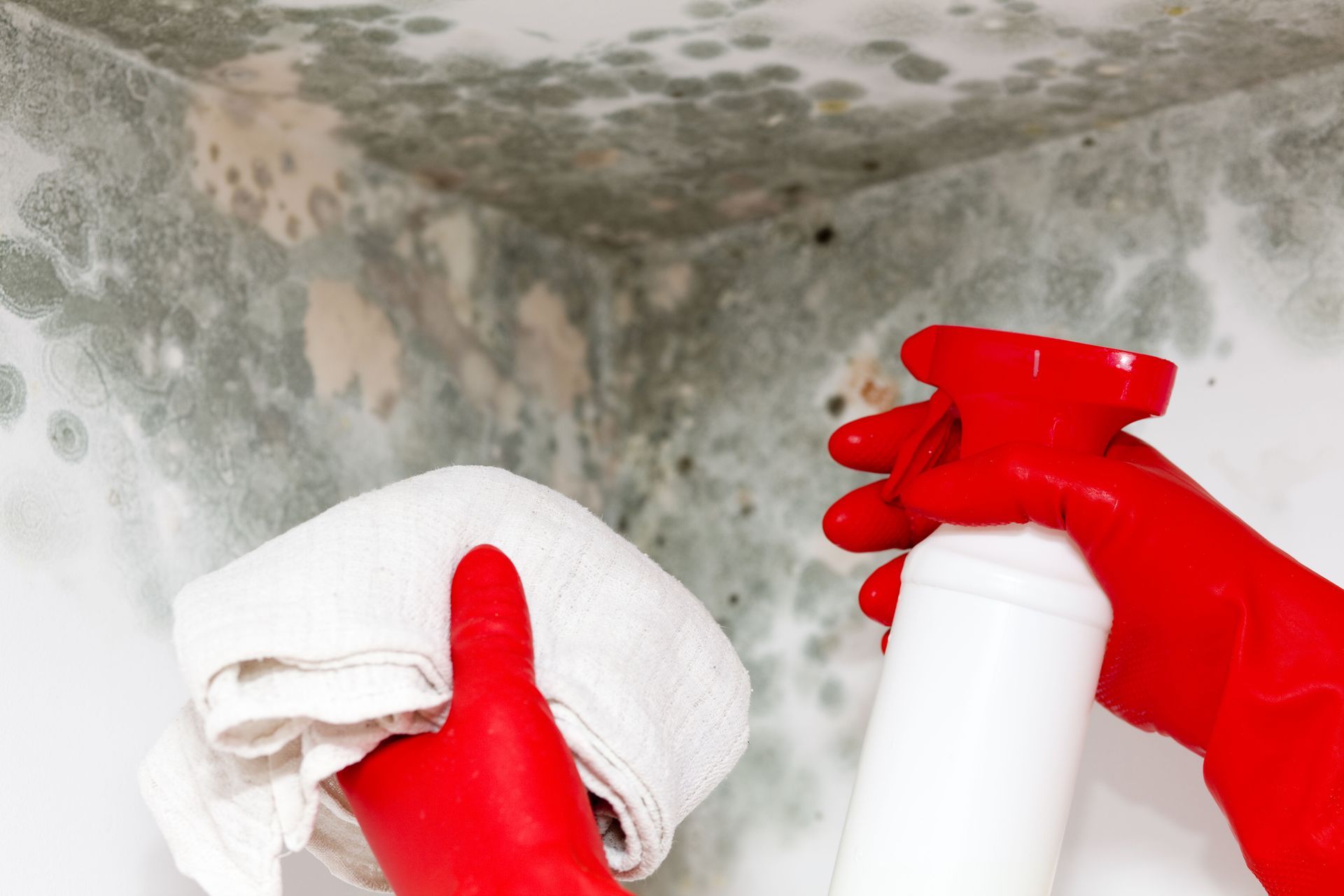
Mold prevention should be a built-in component of any restoration plan. Ask how they mitigate mold risks and what preventive measures they take. Knowledgeable companies implement containment strategies, apply antimicrobial treatments, and use HEPA filtration to ensure safe air quality during and after restoration.
Finally, inquire about the materials and products they use for repairs. High-quality materials ensure lasting results, while adherence to industry standards—such as IICRC guidelines—gives confidence that they follow best practices at every stage.
Ensuring Proper Documentation and Insurance Handling
Navigating insurance claims after water damage can be overwhelming. Many homeowners and business owners prefer working with companies that assist with or directly coordinate the claims process. Ask whether the restoration company provides support in communicating with your insurance provider, supplying documentation, or explaining your coverage.
Comprehensive documentation is essential. This includes photos of initial damage, moisture readings, written assessments, repair plans, and post-restoration verification. Thorough records help substantiate your claim and ensure you receive fair compensation.
Also, inquire whether the company provides direct billing to insurers. This can minimize the amount of paperwork you need to manage and reduce the upfront financial burden during an already stressful time.
Gathering Customer Service and Satisfaction Insights
Water damage restoration involves not only technical skill but also strong customer service. Before choosing a company, ask for references from previous clients. Reading online reviews, browsing ratings, and speaking directly with past customers can provide invaluable insight into their professionalism, responsiveness, and overall reliability.
Understanding how a company handles challenges or disputes is equally important. No restoration project is entirely predictable, so ask how they resolve customer concerns, revise project timelines, or address unexpected issues. A company with a transparent, structured process for handling complaints indicates a genuine commitment to customer satisfaction.
Warranties or guarantees on their work can further build trust. A company willing to back up its services with assurances shows confidence in its workmanship and gives you peace of mind that any post-restoration issues will be addressed promptly.
Clear, consistent communication throughout the project is a final indicator of strong customer service. Companies that provide regular updates, explain each step of the process, and are easy to contact generally deliver better overall experiences.
Choosing the right water restoration company requires time, research, and thoughtful questioning. By exploring the areas outlined in this article—experience, availability, assessment methods, restoration techniques, documentation, insurance support, and customer satisfaction—you can make a well-informed decision. The goal is to find a reliable, knowledgeable, and responsive partner who can restore your property quickly, safely, and professionally. With the right company by your side, you can navigate the challenges of water damage with confidence and peace of mind, knowing your home or business is in capable hands.
Share On: